Routines play a crucial role in the lives of both children and pets. Establishing a consistent schedule helps to create a sense of security and predictability, which can enhance well-being and reduce anxiety. For children, routines support their development by fostering discipline, responsibility, and a sense of time. Pets, on the other hand, thrive on routines as they rely on structure to feel safe and content.
For kids, morning and bedtime rituals can significantly impact their behavior and emotional health. Similarly, pets benefit from regular feeding, walks, and playtime, which contribute to their physical and mental health. When expectations are clear, both children and pets can navigate their environment with confidence and ease.
Incorporating routines into daily life doesn’t have to be complicated. Simple practices can lead to improved behaviors and deeper connections between family members and their furry companions. Understanding these benefits can encourage families to prioritize consistency in the daily lives of their children and pets alike.
Why Routines Matter for Kids and Pets
Establishing routines provides essential structure that enhances emotional well-being. This framework benefits both children and pets, supporting their growth and reducing anxiety.
Emotional Security and Stability
Routines create a predictable environment that fosters emotional security. For children, a consistent daily schedule allows them to understand what to expect. This predictability helps them feel safe and confident in their surroundings.
Pets also thrive on routine. Regular feeding times and exercise schedules can help them feel more settled. For instance, dogs that are taken for walks at the same time each day show less restlessness and anxiety.
Developing a reliable routine can nurture trust and comfort, leading to stronger emotional connections.
Reducing Anxiety and Behavioral Issues
Routines can significantly reduce anxiety in both kids and pets. For children, knowing their schedule can ease fears and uncertainties. They are less likely to exhibit behavioral issues when they adhere to consistent wake-up, meal, and play times.
Pets are similarly affected by routine. Animals that have established schedules are often calmer. For example, cats fed at the same time each day are less likely to engage in destructive behaviors, such as scratching furniture.
Establishing routines can act as a preventive measure against anxiety and related behavioral concerns.
Strengthening the Bond Between Kids and Pets
Routines play a crucial role in strengthening the relationship between children and their pets. Regular activities, like feeding, walking, or playtime, create shared experiences. These moments foster connection and teach responsibility.
Involving kids in caring for pets can enhance their understanding of empathy and compassion. Children who participate in daily routines develop stronger bonds with their animals, leading to a more harmonious household.
Consistent interaction through established routines helps both kids and pets learn to communicate effectively, improving their relationship.
Key Elements of an Effective Daily Routine
Establishing a daily routine involves several critical elements tailored to both children and pets. A structured schedule fosters a sense of security and ensures their physical and emotional needs are met. Here are the key components.
Consistent Feeding Schedules
Regular feeding times for pets, such as dogs and cats, help to maintain their health. Pets thrive on predictability, and knowing when to expect meals can reduce anxiety.
For example, a dog might have breakfast at 7 a.m. and dinner at 6 p.m. Cats may benefit from smaller meals spaced throughout the day. These routines promote better digestion and can help in managing weight.
Incorporating feeding times into the daily schedule also aids pet owners. It creates an opportunity to manage portion sizes and gauge each pet’s eating habits. Keeping a feeding log can identify any sudden changes in appetite, which may signal health issues.
Exercise and Playtime
Exercise is vital for both pets and children, promoting physical health and mental stimulation. Dogs typically require at least one or two walks daily, while cats benefit from interactive play sessions.
Creating a set time for activity ensures pets receive ample exercise. For instance, scheduling a 30-minute morning walk after breakfast can energize a dog for the day ahead. Cats may enjoy several short play sessions featuring toys that mimic prey.
For kids, incorporating outdoor playtime or sports practice can mirror this routine. Engaging in activities together strengthens bonds while meeting both parties’ physical needs.
Rest, Sleep, and Downtime
Rest is crucial for recovery and overall well-being in both pets and children. Establishing an appropriate sleep schedule can dramatically improve mood and behavior.
Dogs often need 12 to 14 hours of sleep daily, while cats may sleep even longer. Limiting distractions during their rest periods, such as noise or disruptions, supports a healthy sleep environment.
For children, incorporating quiet time or nap schedules can be equally beneficial. These periods allow for recharging, making them more receptive to learning and interaction later in the day. Creating a calm routine helps in leveraging these benefits effectively.
Practical Tips for Establishing Healthy Routines
Creating healthy routines for kids and pets supports stability and security. Implementing structured practices such as potty training and regular veterinary visits contributes significantly to their well-being.
Potty Training and House Rules
Establishing clear potty training protocols is vital for both children and pets. For dogs, consistent bathroom breaks should be scheduled throughout the day, especially after meals or playtime. This helps create a predictable routine.
Tips for Successful Potty Training:
- Designate a Spot: Choose a specific area outside for bathroom breaks.
- Positive Reinforcement: Reward with treats or praise immediately after successful use.
- Consistent Schedule: Take them out around the same times daily to build habits.
Kids should learn house rules regarding pet care, including respecting the pet’s space and recognizing signs of discomfort. This fosters empathy and responsibility.
Involving Kids in Pet Care
Engaging children in pet care promotes responsibility and strengthens their bond with animals. Assign specific tasks based on age and capability.
Ways to Include Kids:
- Feeding: Children can help measure and serve meals at designated times.
- Walking: Supervised walks can teach kids about exercise and discipline.
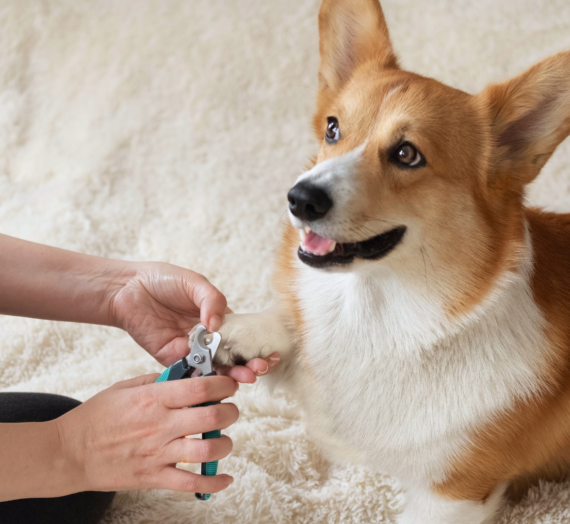
- Grooming: Simple grooming tasks help children learn about pet hygiene and care.
Making pet care a family activity not only establishes routines but also reinforces teamwork. This joint effort can create a more harmonious home environment.
Incorporating Vet Visits and Health Maintenance
Regular veterinary check-ups are crucial for maintaining pet health. Schedule routine appointments to ensure vaccinations and health screenings are up to date.
Health Maintenance Tips:
- Set Reminders: Use a calendar or app to keep track of vet visits and vaccinations.
- Create a Health Journal: Document any changes in behavior, appetite, or appearance to report to the vet.
- Emergency Plan: Have a plan in place for urgent health issues, including a list of local emergency vet clinics.
Involving the whole family in these practices fosters awareness about pet health and encourages consistent care routines.
Long-Term Benefits of Consistent Routines
Establishing consistent routines offers significant long-term advantages for both children and pets. These benefits include the development of healthy habits and the effective management of behavioral issues over time.
Lifelong Healthy Habits
Consistent routines encourage the formation of lifelong healthy habits in both kids and pets. For children, predictable schedules for meals, homework, and bedtime contribute to better physical and mental well-being. This structure helps them understand the importance of time management and responsibility.
For pets, regular feeding times, exercise, and play enhance physical health and maintain an ideal weight. They also benefit from training sessions that reinforce desired behaviors. Over time, both kids and pets learn to associate routines with comfort and security, leading to a stable lifestyle.
Preventing and Managing Behavioral Challenges
Consistent routines play a crucial role in preventing and managing behavioral challenges. Children thrive in structured environments, which help reduce anxiety and promote self-discipline. When children know what to expect, they are less likely to act out or exhibit disruptive behaviors.
Similarly, pets experience fewer behavioral issues when routines are established. Regular exercise and training curb destructive behaviors and improve overall temperament. Establishing a reliable daily routine fosters a sense of safety, making it easier to address any behavioral problems that arise. This proactive approach helps maintain harmony in the household.